
Understanding the R BC Pattern
The R BC (Right Brachial Chain) Pattern is the most common upper body asymmetry pattern according to the Postural Restoration Institute. But what is it and what does it mean?
One of the most ignored and under appreciated area of the body is the rib cage. This is astounding since the rib cage is so large and connects to one of our most vital and vulnerable areas, the spine. Yet it is still often ignored despite the rib cage’s importance in shoulder, mid back and neck mechanics.
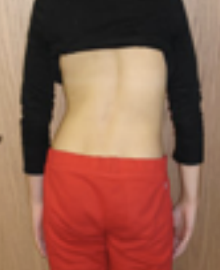
When walking everyone should have a degree of rotation occurring in the rib cage to help properly balance a person’s center of gravity over their leg. In the Right Brachial Chain Pattern (R BC) the spine is stuck twisted to the right and the rib cage is unsuccessfully trying to pull it back to the left. This pattern is usually due to an accompanying L AIC pattern in the pelvis. This twist creates the stereotypical left rib flare frequently seen in the R BC pattern.

What does the R BC Pattern look like?
With a R BC Pattern often the right shoulder will look lower than the left (but not always). The right shoulder may roll forward and the shoulder blade will wing out making it vulnerable to a multitude of shoulder issues including rotator cuff and impingement diagnoses. The right neck muscles tend to overwork to try and counteract this sagging right shoulder and help lift the right shoulder back to level. Wether or not the neck muscles are successful at leveling the shoulders this usually just results in more neck & shoulder tension.
The R BC Pattern doesn’t always effect the right shoulder & neck, it can also effect other areas such as the left shoulder or right scapular pain (mid back).
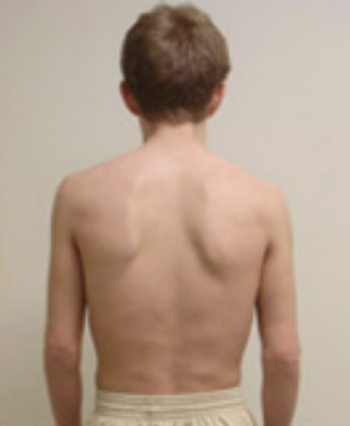
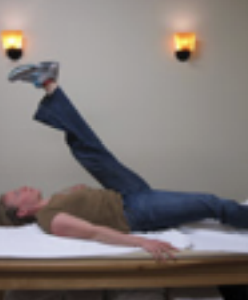
Left Hamstring is tighter than right
Where did this pattern come from?
The diaphragm by nature is asymmetrical. Everyone has a weaker and longer positioned left diaphragm. The right diaphragm actually has more nerve innervation, and more connections to the spine than the left giving it more of an influence on the spine. This asymmetry is perfectly normal and natural but if this asymmetry is left unchecked by the left internal obliques and transverse abdominis (to keep the right diaphragm from over dominating, pulling the spine to the right) it can become a problem and lead to a over-dominate right brachial chain pattern.
Rib Cage Position, Breathing & Treatment
Because we are talking about the rib cage, we can’t ignore the correlation with breathing mechanics. Essentially in the Right Brachial Chain Pattern (R BC) the left diaphragm is not working as effectively as the right diaphragm to send air flow to the right upper quadrant of the lungs (think right shoulder region).
Treatment to balance the R BC Pattern involves properly retraining the left abdominals (internal obliques and transverse abdominis) to coordinate with good breathing mechanics. Then one can work on strengthening the right serrates anterior, low trapezius and triceps to encourage proper shoulder blade position and function on the thorax.
Possible Signs of a (typical) L AIC Pattern
Here are some observations that are common with this pattern:

Tends to stand on the right side
Left hip forward when standing on left leg
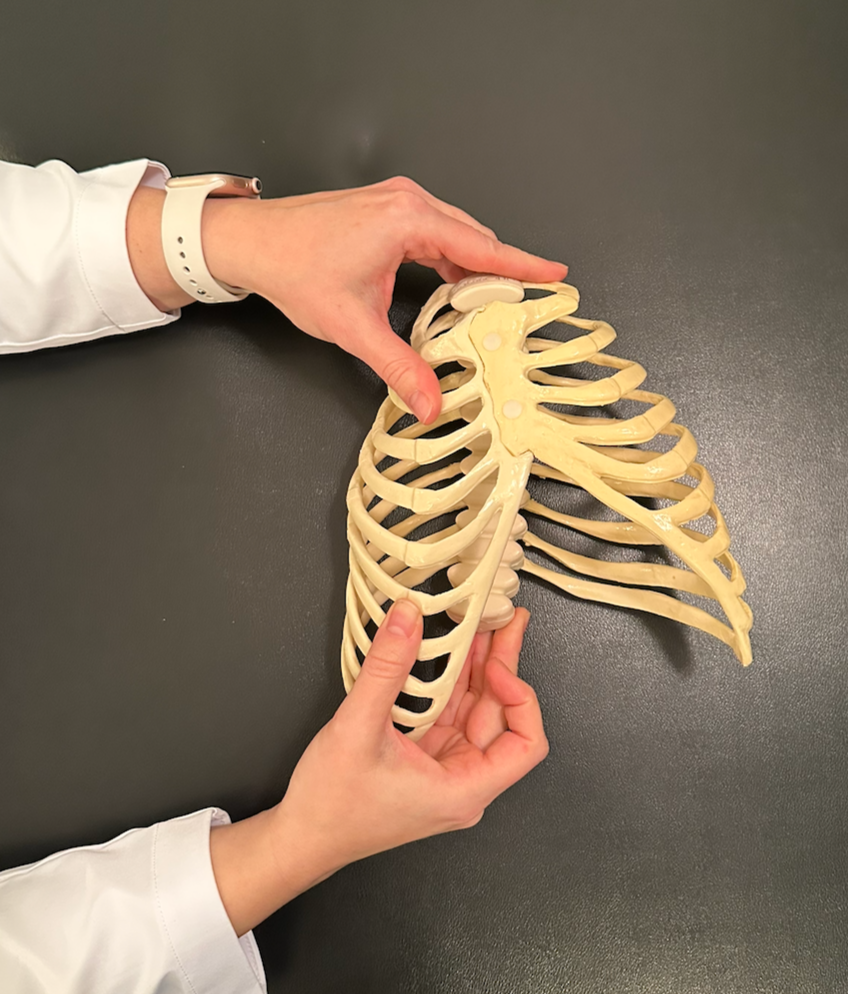
Left ribs flare out
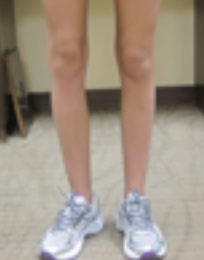
Asymmetrical wear patterns in shoes
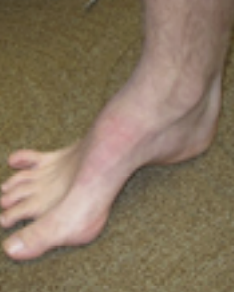
Higher Right Arch, Left Arch Lower
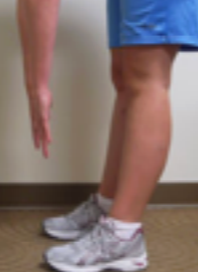
Can’t touch the floor

Can’t put heels down when squatting and tighter right hip when crossing legs
If you have an L AIC pattern or think you may have this and looking for treatment, book a session with Dr. Sarah Petrich by clicking “Book Now”.