
Understanding the PEC Pattern
The PEC (Posterior Exterior Chain) Pattern is another common pattern according to the Postural Restoration Institute. But what is it and what does it mean?
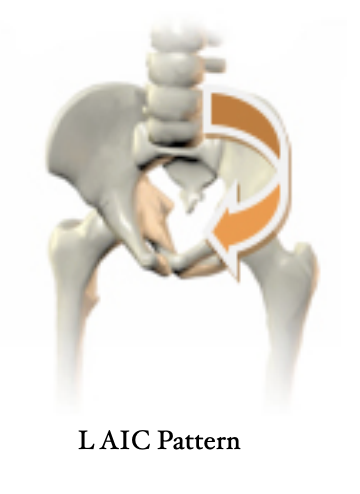
If you read about Understanding the L AIC Pattern, you learned that the left side of the pelvis tends to rotate forward and get stuck in that pattern. The PEC pattern is more symmetrical in nature because both sides of the pelvis have tilted forward causing a more lordotic (arched) back position. Bilateral rib flares are also a prominent feature in this pattern since a person in this pattern has difficulty breathing into their back lower ribs. As symmetrical this pattern looks initially, it is important to note that underlying most PEC patterns is a L AIC & R BC Pattern.
The PEC Patterned Walk
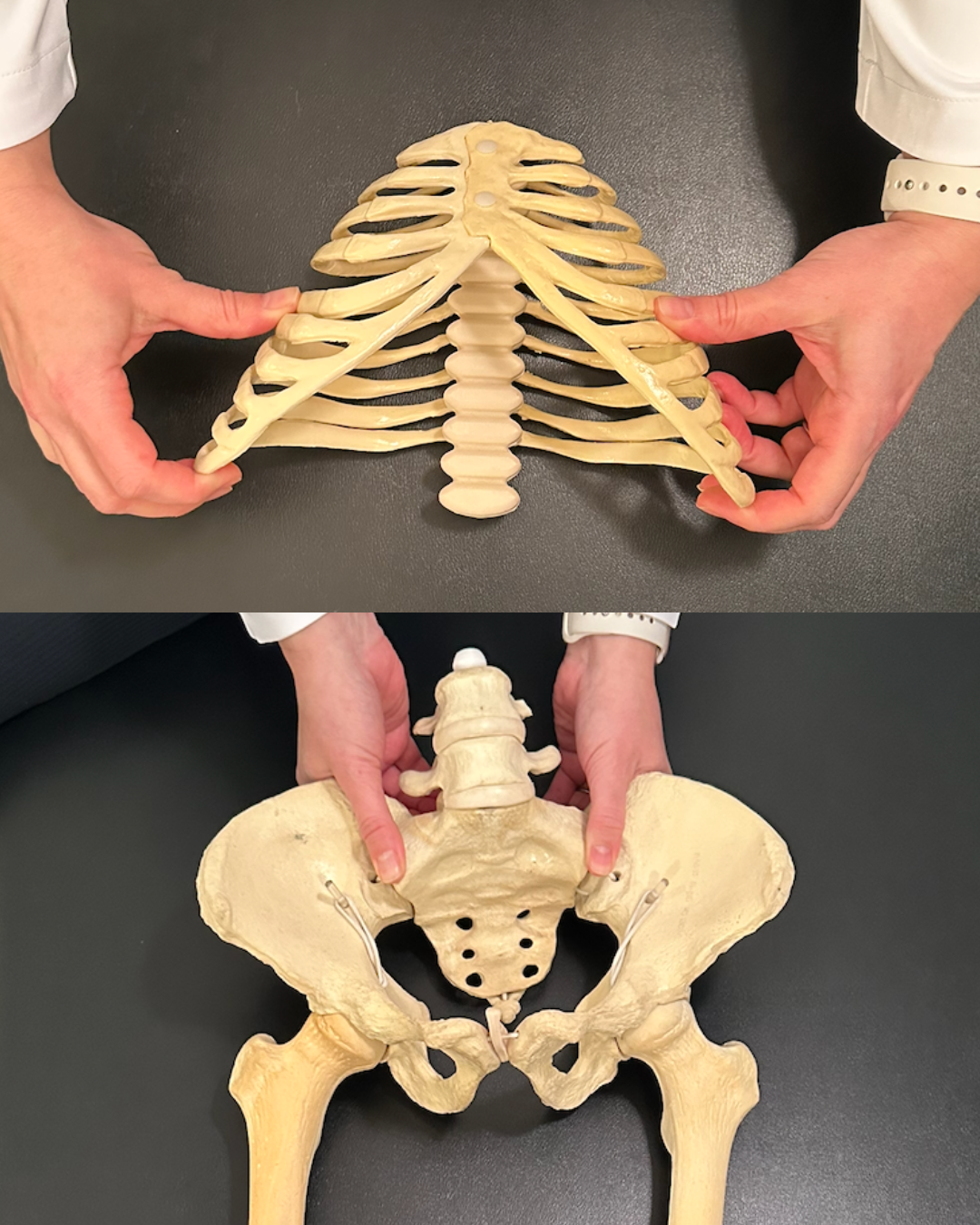
When you walk or stand on 1 leg your pelvis and hips are meant to shift back and forth to allow your center of gravity to fully balance over the single leg properly. When you stand on your right leg it is good & normal for your left half of your pelvis to rotate forward a little and vice versa. However, if only one side, or in this case both sides, don’t shift from side to side properly you have a PEC pattern that can result in increased tension, overuse and injury. There are 2 general types of PEC patterns that will effect a person’s signs & symptoms
Tight All Over PEC
Individuals with this PEC pattern typically have a lordotic back with overdeveloped superficial back muscles, tight hips/gluts and hamstrings. They usually have a flat upper back.

Loosey Goosey PEC
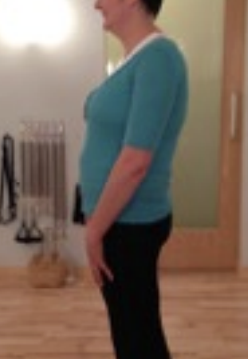
These individuals can have an archy back but it may or may not look like it at first glance. They may have more of a sway back and frequently tend to have more thoracic kyphosis (see picture). They typically have very flexible hamstrings and can put their palms on the floor when trying to touch their toes. They tend to be hyper mobile or “ double-jointed”.
Why Should I care?
Both of these patterns place a great deal of stress on multiple joints particularly the spine. When there is an unchecked, unopposed, dominant movement pattern, neuromuscular imbalances can lead to a variety of chronic or insidious injuries of the back, hip, knee, ankle and even foot. The diagnoses are too numerous to specifically list but most non-traumatic injuries and even traumatic injuries that are not healing quickly can be included on this list.
If you have an L AIC pattern or think you may have this and looking for treatment, book a session with Dr. Sarah Petrich by clicking “Book Now”.