
Are You Twisted?
Ever notice one leg looks longer than the other or you are much more flexible on one side than the other despite your best stretching efforts? Maybe there is more to these nuances.
Is this you?
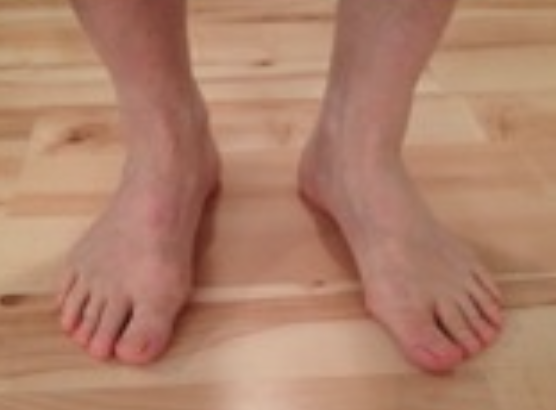
Ever lay down and notice one foot falls out and the other doesn’t? Is one leg longer than the other? Are your shoulders even or does one slope lower than the other or roll forward? Ever squat and notice one knee or both like to roll in or out? Are your foot arches even or is one flatter than the other?
You may be a little….twisted.
Our Spine the Foundation and the Systems that Maintain It
Our spine is like the foundation of a house. Without a strong, balanced foundation, overtime things can start to fall apart. If you only correct the symptoms without correcting the foundation it is only a matter of time before the next problem arises.
Many people find themselves chasing one physical ailment after another, just as one injury heals another pops up. Often this is because the foundation and framework of the spine has not been adequately addressed. To add to the complication of matters, our foundation, the spine, has to be able to move. If it doesn’t move in a balanced way, misalignments will reoccur. Essentially this means that we need a balanced spine and a balanced system of movement to keep it aligned properly.
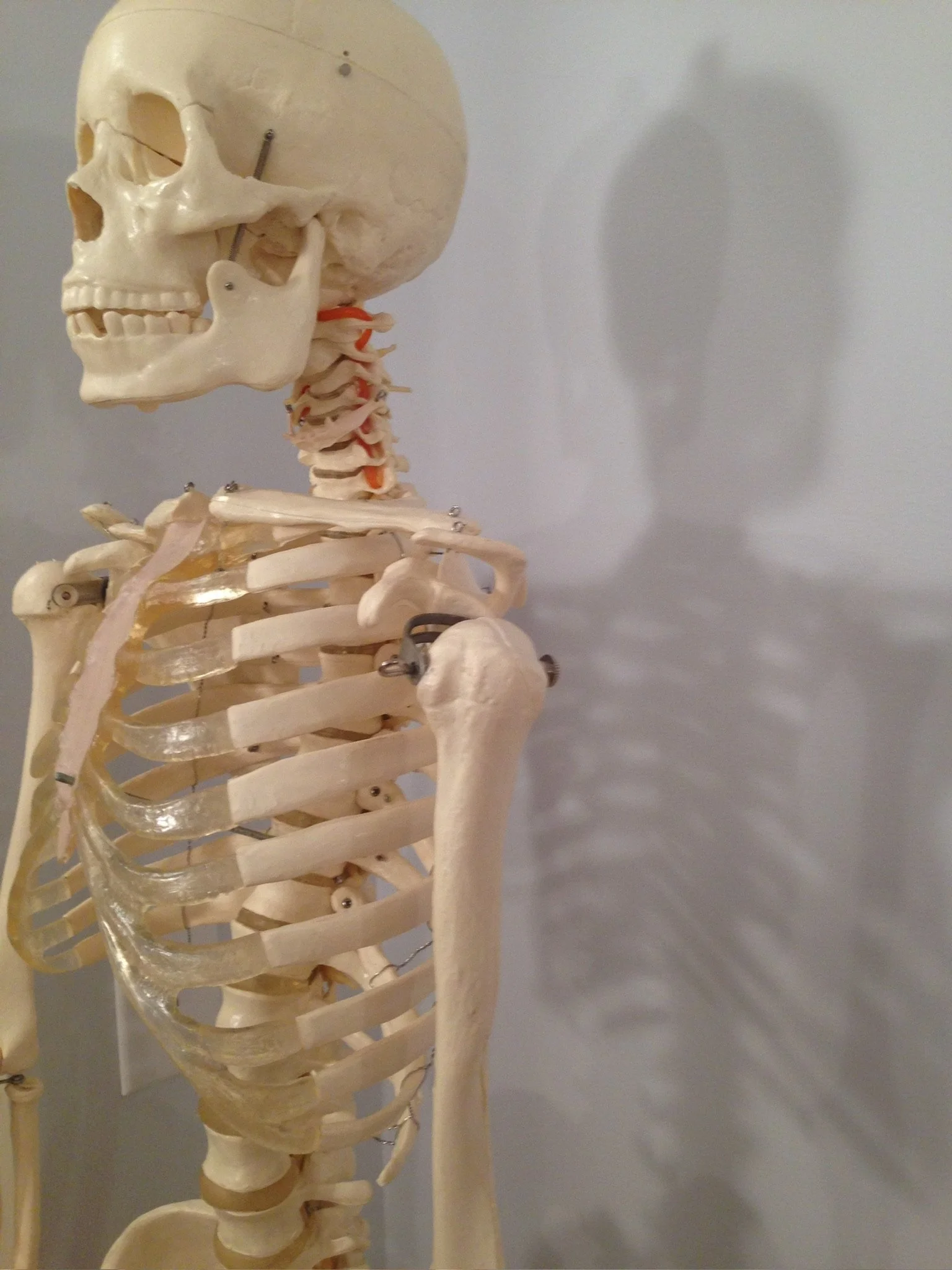
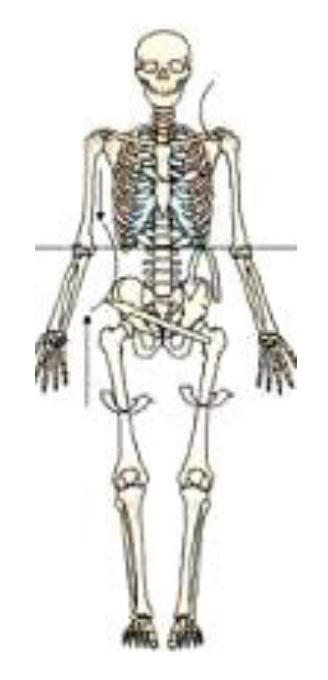

Sure, a chiropractor, physical therapist or osteopath may be able to re-align the spine, but to use the housing analogy, you also must have the systems that support the house functioning well to keep it in line and functioning well. The drainage systems, duct work, electrical systems, plumbing etc. all support the house’s function as well. In the body it is important to consider how the muscular biomechanics, respiratory system (breathing), neuromuscular system (electrical signals to muscle function), and in some cases auditory & visual systems impact a person’s posture and functional movement. Getting a spine in alignment is only the beginning, getting all the body’s systems to support that framework is just as important or even more so to keep it going strong.
One of the ways we can maximize and maintain good spinal alignment dynamically is to understand what dominate movement pattern you have.
There are 3 main dominate patterns that lead to alignment issues.
1) L AIC (Left Anterior Inferior Chain) Pattern
2) R BC (Right Brachial Chain) Pattern
3) PEC (Posterior Exterior Chain) Pattern
There are individual differences among people that can make these patterns look slightly different. These nuances take an experienced clinician to assess but essentially the underlying pattern is still there. It is also important to note that the side of the pattern doesn’t dictate the side or area someone may experience pain or symptoms. For example, sometimes the culprit is the left pelvis rotating forward but the victim is the painful right piriformis trying to overwork due to the position. But without addressing the culprit, no matter how much massage, stretching and strengthening you do for the right side, the pain will come back or the site of pain may change. Getting to the reason why injury occurs is essential for full and long term recovery.
Asymmetrical? Don’t Freak Out!
Now if you see some of these asymmetrical signs, but you don’t have any injuries, don’t freak out! A degree of misalignment is the norm for most people and doesn’t necessarily mean you are doomed or you are one step away from injury. See “Why did I develop this pattern” to learn more why asymmetry is natural. (coming soon) However, it is important that you maximize your symmetry as best as we can for optimal movement patterns and optimal strength and flexibility of our joints. By maximizing our movement patterns and alignment so they are more symmetrical we unload our joints and make movement more efficient and smooth.
If you think you might be twisted and are looking to become more symmetrical book your evaluation by clicking “Book Now”.